


Return to Sport: The Roadmap to Full Recovery After Injury

For athletes, injury is more than a physical setback—it’s a disruption to identity, routine, and goals. The journey back to peak performance demands more than just healing; it requires a deliberate roadmap bridging rehabilitation and optimal performance. Here’s how a performance physical therapy approach paves the way for a successful return to sport.

1. Understanding the Injury and Setting Realistic Milestones
Recovery starts with a comprehensive understanding of the injury’s root cause, biomechanics, and impact on sport-specific demands. A thorough assessment by a performance physical therapist identifies:
Structural damage and tissue healing timelines.
Movement deficits that predisposed the athlete to injury.
Functional benchmarks for a safe return to activity.
By breaking recovery into phases, athletes and therapists can set progressive, measurable milestones—from regaining basic mobility to performing advanced, sport-specific tasks.
2. The Critical Role of Movement Restoration
Movement quality is often compromised post-injury. Before advancing to strength or conditioning, athletes need to restore foundational movement patterns. Performance physical therapists focus on:
Mobility Restoration: Addressing stiffness or compensations in key joints like hips, knees, or shoulders.
Motor Control: Reestablishing neuromuscular coordination to prevent reinjury.
Pain-Free Range of Motion: Gradually increasing load tolerance within safe limits.
3. Bridging the Gap Between Rehab and Performance
Traditional rehab often ends before athletes are ready to meet the demands of their sport. A performance-driven approach ensures a smooth transition by:
Sport-Specific Drills: Introducing controlled movements that mimic game scenarios.
Progressive Overload: Gradually increasing the intensity, speed, and complexity of exercises.
Energy System Development: Conditioning tailored to the demands of the athlete’s sport (e.g., endurance for soccer, explosive power for basketball).
4. Proactive Measures to Prevent Reinjury
Returning to sport isn’t just about getting back to baseline—it’s about fortifying the body against future setbacks. This involves:
Biomechanical Assessments: Identifying imbalances or faulty mechanics during sport-specific movements.
Strengthening Key Muscle Groups: Focusing on stabilizers, such as the glutes or rotator cuff, to enhance joint stability.
Education: Teaching athletes how to listen to their bodies, manage fatigue, and perform proper warm-up and recovery routines.
5. Mental Resilience and Confidence Building
Injury recovery isn’t just physical; it’s deeply psychological. Fear of reinjury and loss of confidence can hold athletes back. Performance physical therapy integrates strategies to rebuild mental strength:
Gradual exposure to feared movements in a safe, controlled environment.
Celebrating small wins to reinforce progress.
Clear communication between the therapist and athlete to set expectations and alleviate doubts.
6. Long-Term Athletic Longevity
Returning to sport after injury is just one chapter in an athlete’s journey. Ensuring long-term health and performance involves:
Maintenance Programs: Regular check-ins with a physical therapist to address emerging issues.
Cross-Training: Incorporating diverse movement patterns to reduce overuse risks.
Longevity Focus: Emphasizing durability over short-term gains to sustain athletic careers.
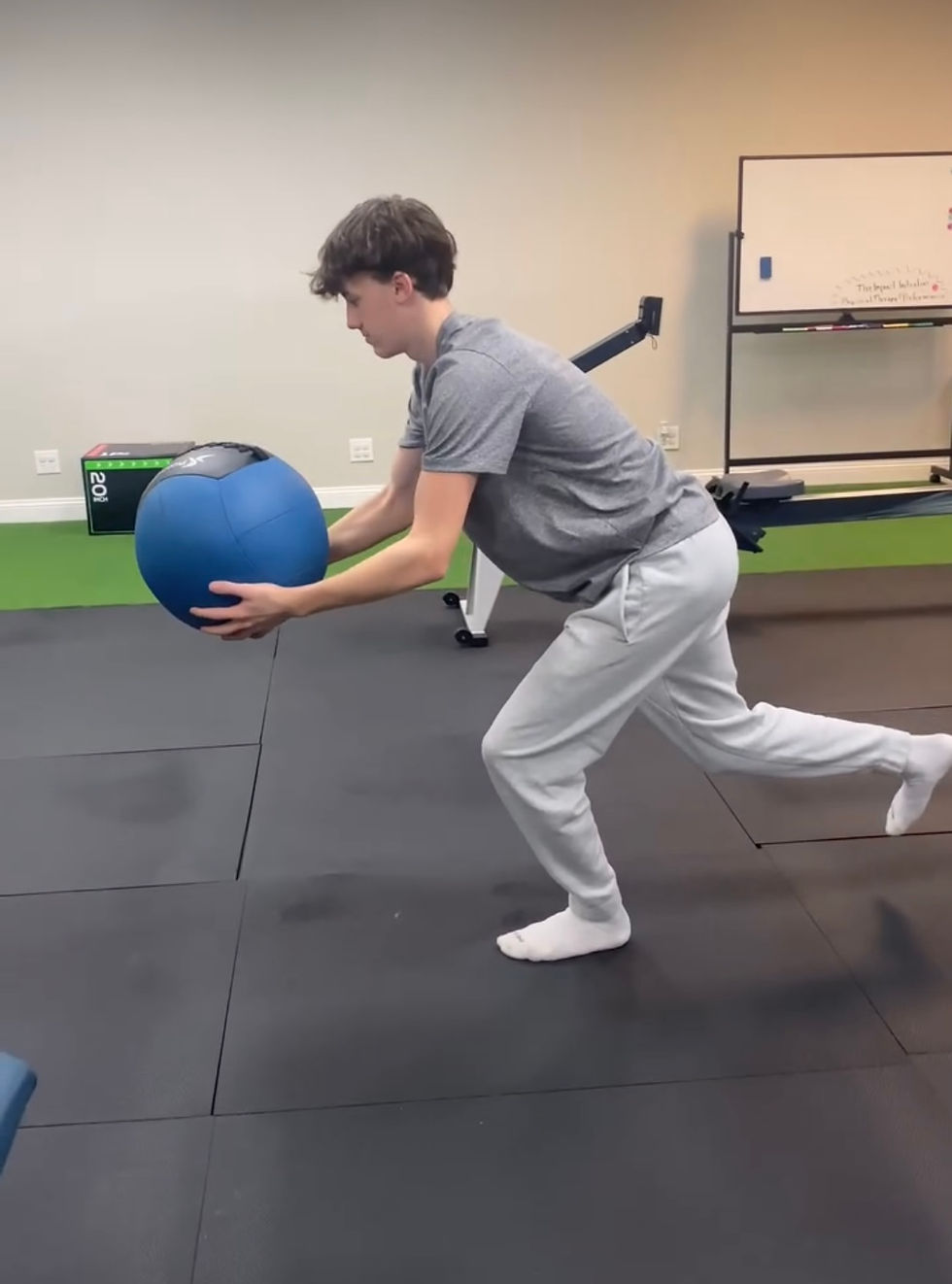
What Does the Process Look Like in Practice?
Here’s a step-by-step outline of what athletes can expect during their return-to-sport journey:
Initial Assessment: Detailed evaluation of injury severity, movement limitations, and sport-specific needs.
Acute Phase: Focus on reducing pain and inflammation while protecting the injured area. Techniques may include manual therapy, controlled movements, and education on activity modification.
Rehabilitation Phase: Progression to strengthening and mobility work tailored to correct imbalances and rebuild resilience. Functional exercises targeting sport-specific demands are gradually introduced.
Performance Phase: Transitioning from rehab to performance-based training, integrating speed, power, and endurance drills that mimic real-world scenarios.
Return-to-Sport Testing: Objective assessments to evaluate readiness, including strength benchmarks, movement quality analysis, and psychological readiness surveys.
Ongoing Support: Even after returning to sport, periodic check-ins and injury prevention programs ensure continued performance and resilience.
At The Impact Initiative, we’re committed to keeping athletes in motion, helping them return stronger, and empowering them to excel in their sport. Recovery isn’t about hitting pause—it’s about redefining limits and building resilience for the future.
Fitness-Forward. Evidence-Based. Impact-Driven.
Performance Physical Therapy
Woodstock, GA


Dobrze zaprojektowana edukacja zdalna może być równie skuteczna jak tradycyjna nauka, pod warunkiem że materiały są odpowiednio uporządkowane i angażujące. Krótkie lekcje, ćwiczenia, testy oraz materiały dodatkowe pomagają utrzymać regularność nauki. Ważne jest również umożliwienie uczniom samodzielnego kontrolowania postępów. Strona poświęcona metodom nauki online mogłaby być pomocna zarówno dla uczniów, jak i nauczycieli przygotowujących własne kursy.
Współczesne technologie informatyczne rozwijają się bardzo szybko, dlatego materiały edukacyjne powinny koncentrować się nie tylko na konkretnych narzędziach, ale także na podstawowych zasadach działania systemów. Artykuły o programowaniu, sieciach, bazach danych, bezpieczeństwie oraz chmurze mogą tworzyć solidną bazę wiedzy. Szczególnie wartościowe są poradniki zawierające praktyczne przykłady, dzięki którym czytelnik może samodzielnie przetestować omawiane rozwiązania.
Profesjonalne szkolenie pilotów wymaga połączenia wiedzy teoretycznej, praktyki oraz bardzo dobrego przygotowania do sytuacji nietypowych. Materiały edukacyjne dotyczące aerodynamiki, meteorologii, nawigacji oraz procedur lotniczych mogą być interesujące również dla osób, które dopiero rozważają rozpoczęcie nauki. Warto byłoby stworzyć przejrzystą bazę wiedzy przedstawiającą kolejne etapy szkolenia, wymagania oraz podstawowe pojęcia związane z lotnictwem cywilnym.
Tematy związane z logistyka i transport mają duże znaczenie dla współczesnego biznesu, szczególnie przy rosnącym znaczeniu handlu internetowego i międzynarodowych łańcuchów dostaw. Edukacyjne artykuły mogą wyjaśniać zagadnienia magazynowania, planowania tras, zarządzania zapasami oraz optymalizacji kosztów. Warto również przedstawiać konkretne przykłady pokazujące, jak technologie i analiza danych pomagają usprawniać procesy logistyczne w małych i dużych przedsiębiorstwach.
Rozwijanie kreatywne umiejętności może być przydatne nie tylko w zawodach związanych ze sztuką czy projektowaniem. Kreatywność pomaga również w marketingu, biznesie, edukacji i rozwiązywaniu codziennych problemów. Dobry serwis edukacyjny mógłby publikować ćwiczenia, przykłady projektów oraz praktyczne materiały dotyczące projektowania, pisania, tworzenia treści i pracy z narzędziami cyfrowymi. Szczególnie ciekawe byłoby pokazanie całego procesu od pomysłu do gotowego projektu.